The Five-Minute Logbook: Giving Your Sutton Air-Con a Memory
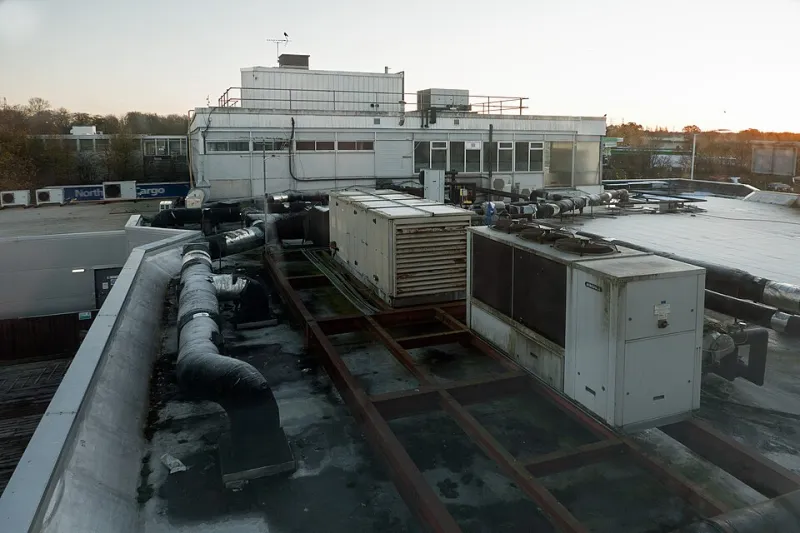
Photo: Roger A Smith , CC BY-SA 2.0, via Wikimedia Commons
Most cooling problems do not appear from nowhere. They leave a trail: a filter that keeps clogging, a rattle that returns every August, a slow creep in electricity use, a drain that has been cleared twice in one season. The trouble is that our memory for this sort of thing is poor. Was the filter cleaned in March or May? Did that noise start before or after the service? Was the error code on the bedroom unit or the one in the back office?
A logbook fixes that. It does not need to be a formal compliance folder or a spreadsheet with fifteen tabs. For a home in Cheam or a small shop near Sutton High Street, a few honest lines per event can save real money and make every visit from an engineer more useful.
Why a scruffy notebook beats guesswork
When we arrive at a property, the most helpful customer is not the one with the cleanest unit. It is the one who can say, “It started doing this on the first cold morning,” or “We cleaned the filter after the building work, and the smell went away for a month.” That kind of detail turns a vague callout into a focused visit.
A cooling log also helps you spot repeat problems. One fault in two years is life. The same fault three times in two seasons is a pattern, and patterns usually point to an underlying cause rather than bad luck. If your notes show the same room overheating every summer, or the outdoor unit complaining every time the temperature climbs, you have evidence to discuss rather than a fuzzy recollection.
What deserves a line in the log
You do not need to record every button press. Keep it practical:
- Date and event. Filter clean, service, repair, strange noise, error code, remote control problem.
- Which unit or room. Front room, back bedroom, café servery, office above the shop. Be specific enough that future-you knows what you meant.
- What you noticed. Not just “making a noise” but “clicking for about twenty seconds at start-up, only on cooling.”
- What was done. Washed filter, reset breaker, engineer replaced part, nothing yet.
- Energy readings. A weekly or monthly meter reading during the cooling season, if you can get one easily.
- Paperwork. Service receipts, warranty dates, model and serial number, installer details.
At the front of the log, write down the make, model and serial number of each indoor and outdoor unit, the installation date, and the warranty end date. Take a photo of the rating plate as well. It is much easier to find that photo than to squint at a label behind a sofa.
The five-minute routine
Keep the log where you will actually use it: a kitchen drawer for a home, a till point or office folder for a small firm. Write in it when something happens, not weeks later. A five-minute routine is enough:
- After every filter clean, note the date and which unit.
- If you hear or smell something odd, write it down the same day.
- Once a month in the warm season, note the electricity meter reading or the reading from your energy app.
- After every service or repair, staple or scan the paperwork and note the engineer’s main finding.
That is it. You are not building an archive for a museum. You are giving the system a memory.
Energy readings: small numbers, useful trends
A single energy reading tells you very little. A series of readings tells you a story. For a small firm with a separate meter or sub-meter, a weekly note during cooling season can show whether one unit is quietly working harder than it should. For a home, a smart meter read on the same day each week is often enough.
You are not looking for perfection. You are looking for a jump that does not match the weather. If the café’s cooling use climbs sharply during a mild week, or the home system uses more than last month with similar temperatures, that is worth mentioning at the next service. It might be a dirty filter, a failing fan, or simply a door left open. The log helps you ask the right question.
Fault notes that help an engineer
“It is broken” is a start. “It clicks for twenty seconds at start-up, only on cooling, and started after we cleaned the filter on 3 November” is much better. Include any error code exactly as it appears. Note whether the fault happens on heating, cooling, or both. Mention if it stops after a reset, and how long it stays away.
This is not about turning you into an engineer. It is about cutting down diagnostic time. On a small system, half the battle is often working out when and why a fault appears. Good notes get us there faster, which is better for your bill and less disruptive for a shop or household.
Warranty evidence and service history
Manufacturers and warranty providers like to see that a system has been looked after. A log with service dates, filter cleans and repair receipts is simple evidence. It also helps if you sell the property or hand over a shop lease. The next owner inherits a clear history rather than a mystery.
Keep digital copies of receipts and engineer reports if you can. Paper fades, and the one receipt you need is always the one that went through the wash. A photo on your phone, filed in a folder named after the unit, is enough.
A local case note
One small café we look after had a recurring complaint about warm air near the serving counter. The log showed the filter had been cleaned regularly, but the same drain issue had been noted twice before. Because the manager had written down dates and symptoms, the second visit went straight to the likely cause rather than starting from scratch. That is the value of a paper trail: not bureaucracy, just a shorter route to the answer.
Start now, while it is quiet
As we settle into winter 2026, the cooling system is probably not top of your mind. That makes it a good time to start the log. Write down the model details, the last service date, and anything you noticed during the warm season. Then book the next service before the spring rush, using your notes to explain what needs attention.
A logbook will not fix a failing fan or clear a blocked drain by itself. But it will help you spot the repeat offenders, ask better questions, and get more from every visit. Five minutes now is cheaper than guesswork later.