Before the First Warm Spell: A Room-by-Room Cooling Check for Sutton Homes
Photo: Michael King, CC BY-SA 2.0, via Wikimedia Commons
Most cooling problems do not announce themselves with a bang. They build up quietly: a filter gets furred, a sofa edges in front of a vent, a thermostat ends up on the sunniest wall in the house. By the time the first proper warm spell arrives, the system is working harder than it should and the rooms still feel sticky.
The good news is that you can catch a lot of this yourself in about half an hour. You are not trying to service the system or take anything apart. You are simply looking at the obvious things that stop cooling from doing its job. Sutton homes are a mixed bag, from period semis and 1930s houses to new-build flats and loft conversions, so the exact list will vary. But the principles are the same.
Start in the kitchen: filters, fridges and hidden heat
If you have a wall-mounted air-con unit, a ventilation grille or a filter panel, start here. Switch it off at the controls, then look at the filter. If you can see a grey fuzzy layer, it needs a clean or a replacement. A blocked filter cuts airflow, makes the unit work harder and can leave a faint musty smell in the room. Vacuum gently or wash according to the manufacturer's instructions, and let it dry fully before it goes back in.
Next, look at the heat sources. A fridge or freezer packed into a hot corner, a tumble dryer venting into the room, or a dishwasher running during the hottest part of the day all add warmth. You cannot remove every appliance, but you can give them breathing space and avoid running the big heat producers at the same time as the cooling.
Check the extractor fan too. A weak kitchen extract leaves cooking heat and moisture hanging in the air. If the fan is noisy but barely moving air, or the grille is clogged with grease, that is worth sorting before summer.
Living room: airflow, sun and the thermostat trap
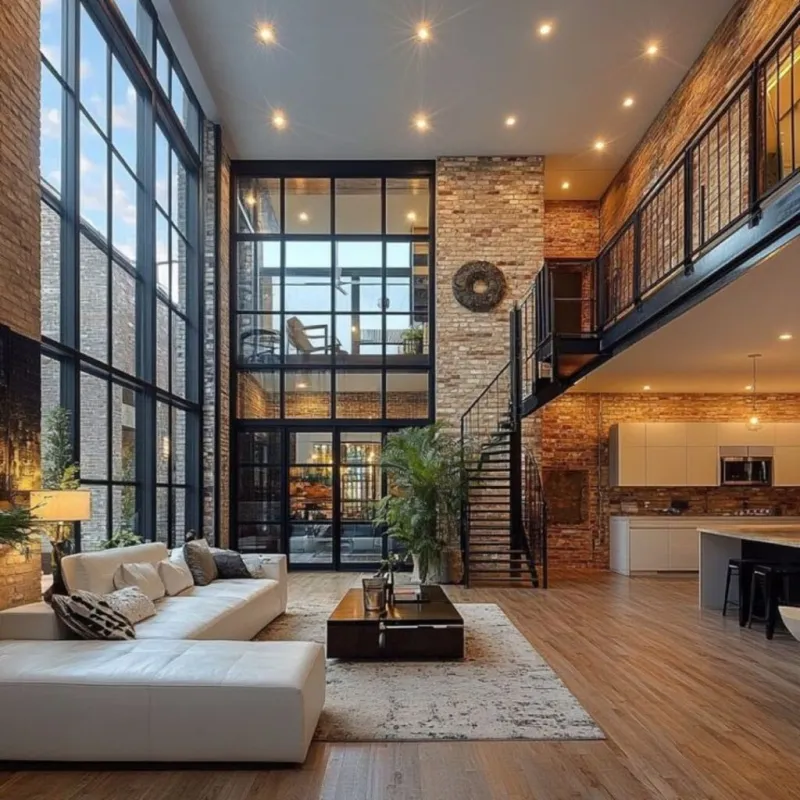
In the living room, the usual culprit is something sitting in front of the indoor unit or the return air grille. Sofas, bookcases, tall plants and curtains can all block the flow. You want a clear path for air to go in and come out. If the unit is above a door and the door is always open, the cooling escapes into the hallway instead of settling where you sit.
Then look at the thermostat or wall controller. Is it on a wall that gets direct sun? Is it above a lamp, a TV or a radiator? Is it near a draughty door? A thermostat that thinks the room is hotter than it really is will keep asking for cooling long after the room is comfortable. That is an expensive misunderstanding. If you can move the controller, or at least shade it, do so.
Finally, check the windows. Blinds and curtains are free cooling tools. Closing them on the sunny side during the day keeps a surprising amount of heat out.
Bedrooms and loft rooms: the rooms that cook
Bedrooms often get overlooked because they are not in use during the day. That is exactly why they overheat. A bedroom with a south-facing window and the curtains left open becomes a heat store by mid-afternoon. If you have a loft conversion, the problem is worse: hot air rises, the roof radiates heat and the space can be several degrees warmer than the rest of the house.
Check any cooling unit in the room for blocked filters and clear airflow. Make sure the vent is not covered by a bed, a wardrobe or a pile of washing. In loft rooms, keep the door open when you can, use blinds during the day and consider a window restrictor or a small fan to keep air moving. If the room has its own air-con unit, do not switch it on and off in short bursts; let it run long enough to actually remove the heat and moisture.
Hallways, doors and draughts
Cooling a room with an open door to a hot hallway is like trying to fill a bucket with the plug out. Walk around and look at the gaps. Is there a draughty letterbox, an ill-fitting loft hatch or a door that does not meet the floor? Are internal doors left open so the cooled air drifts away? Are windows open in one room while the cooling runs in another?
You do not need to turn your home into a sealed box, but a bit of door discipline helps. Close the door of the room you are cooling. Keep the loft hatch shut. If you have a conservatory or a sunny extension, shut it off from the rest of the house during the hottest part of the day.
Outside: the outdoor unit
If you have a split system, the outdoor unit needs air too. Clear away leaves, bins, garden furniture and anything else that boxes it in. If it sits in a narrow alley or against a fence with no room to breathe, it will struggle to dump heat and will use more energy. Do not cover it in winter unless the manufacturer specifically allows it, and never block it just to make the garden look tidier.
The five-minute controls check
Before you call anyone, check the basics on the controls. Is the system in cooling mode rather than heating? Are the batteries in the remote or wall controller still good? Has a timer or schedule been changed by accident? Is the setpoint sensible? In a UK summer, a room does not need to be a fridge. Every degree lower adds running cost, so try 24°C to 26°C rather than 18°C and see how it feels with a fan moving the air around.
When it is time to book a proper visit
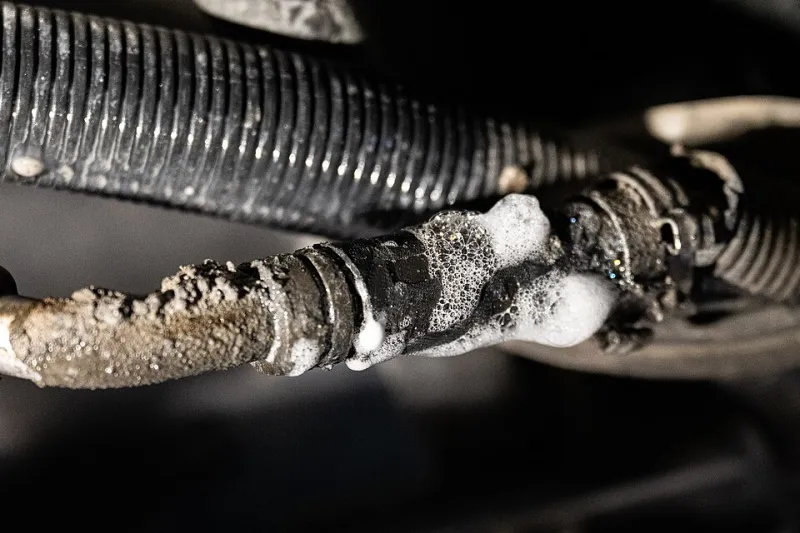
A self-check catches the simple stuff. It does not fix a refrigerant leak, a failing fan motor or a blocked condensate drain. Book an engineer if you notice weak airflow even after cleaning the filter, ice forming on the indoor or outdoor unit, water dripping where it should not, a burning or musty smell, repeated tripping, loud rattling or grinding, or a system that runs all day without getting the room under control. An annual service is also worth booking before the first hot week, not during it.
If you have worked through the rooms and something still feels off, that is the point to call. A spring visit is easier to book than a July emergency, and it is cheaper than replacing parts that failed because a small problem was left alone. For Sutton homeowners, a little attention now usually means a quieter, cooler summer later.