Before You Buy a Portable AC: How Sutton Loft Conversions Really Overheat
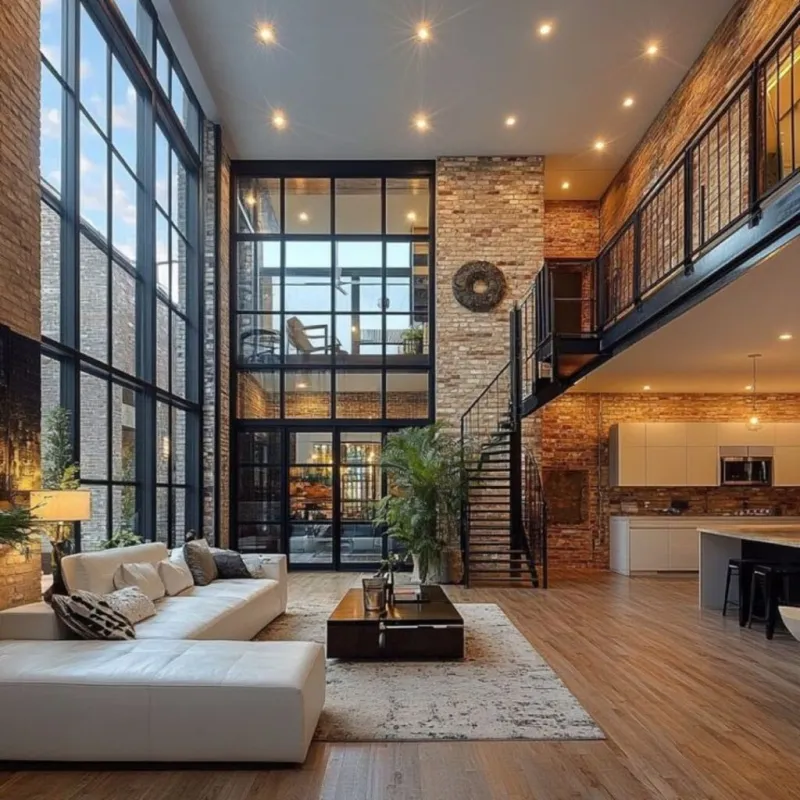
Photo: loft conversion roof window sunlight home office, via florgeous.com
Loft conversions are brilliant use of space, but they have a reputation in Sutton. The downstairs can be comfortable while the loft office, bedroom or bathroom is several degrees warmer. By mid-afternoon, a south-facing room under a pitched roof can feel like an oven. The temptation is to buy the biggest portable air-con unit you can find. That is usually the wrong first move. Heat in a loft conversion is often a combination of solar gain, trapped air and poor shade, and no cooling unit can undo those things efficiently if they are not addressed.
Why Sutton lofts get so hot
Sutton has plenty of Victorian and Edwardian semis, 1930s semis in Cheam and Wallington, and newer homes with loft rooms tucked under the roof. Many conversions rely on roof windows for light and air. Those windows are wonderful in winter, but in summer they can act like a greenhouse. A west-facing Velux can collect low afternoon sun just when the room is already warm.
Warm air also rises. A loft at the top of the house receives heat from below, especially if the stair door is open and the hallway is warm. Modern conversions are often well insulated, which is good in winter but can trap heat in summer if there is no shading or purge ventilation. Low ceilings and shallow roof pitches make the room feel hotter, and a dark roof covering can radiate heat long after the sun has moved round.
Before spending money, it helps to know which of these is your main problem. A room that is unbearable only when the sun hits the roof window needs shading. A room that stays hot at 10pm needs ventilation and a way to purge stored heat. A room that is stuffy all day with no direct sun may have an air-flow or internal heat problem.
A five-step check before you buy any cooling kit
- Log the temperature. Put a cheap thermometer or hygrometer in the loft for a week. Note the temperature downstairs at the same time. If the loft is much hotter only on sunny afternoons, solar gain is the likely driver. If it stays warm late into the evening, stored heat and poor night ventilation are bigger factors.
- Look hard at the windows. Which way do they face? Are they roof windows or vertical dormers? Do they have internal blinds, external blinds or nothing at all? Are the blinds closed during the day? Internal blinds help a little, but they still let heat inside the glass. External shading is more effective.
- Check the ventilation route. Can you get cross-flow? Many lofts have windows on one side only. Opening the stair door and a downstairs window can help create a chimney effect, but only if the air has somewhere to go. Do not block eaves vents or trickle vents.
- Find the hidden heat sources. A home office with a gaming PC, a TV, a printer and a dehumidifier adds heat. So can hot water pipes, a boiler or a heated towel rail in a loft bathroom. If the room is only used occasionally, a fan and better shading may be enough.
- Ask what the room is for. A guest bedroom used a few nights a year does not need the same solution as a daily office. A split system may be justified for daily use, but a portable unit and a good fan can be a sensible stopgap for occasional heat.
Shading first: the cheapest wins
Start outside the room if you can. External blinds, awnings, shutters or solar-control film can stop heat before it passes through the glass. For roof windows, manufacturer-approved external blinds or solar shading are worth investigating. Internal reflective blinds and curtains with a white backing are cheaper, but they are second best because the heat is already inside.
Solar film is often sold as a miracle cure. It can help, especially on a west-facing window, but it needs to be professionally applied and it will not make a poorly ventilated loft comfortable on its own. If you rent or live in a conservation area, check before making external changes. Sometimes a simple habit change, closing blinds before the sun arrives rather than after the room has heated up, makes a noticeable difference.
Ventilation: purge at the right time
Ventilation does not cool air by magic, but it removes hot air and brings in cooler night air. In a loft, the best routine is usually to purge in the early morning and late evening. Open the roof window and create a cross-flow with a downstairs window or the stair door. Use a fan to push hot air out rather than just stir it around. At night, security restrictors on roof windows can let you ventilate without leaving them wide open.
Ceiling fans and pedestal fans make a room feel cooler by moving air over your skin. They use far less electricity than an air-con unit. They are not a substitute for shading, but they are a sensible first purchase. If the loft has mechanical ventilation with heat recovery, check whether it has a summer bypass. Retrofitting MVHR just for summer cooling is rarely worth the cost.
Portable units: useful, but not a miracle
Portable air-con is popular because it needs no installation. The catch is that a single-hose unit blows hot air out of the window and pulls replacement air from the room. That can drag warm air in from elsewhere and make the unit work harder. A dual-hose model is generally better if you can find one. Whichever you choose, seal the window kit properly. An open window with a hose hanging out is a welcome mat for hot air.
Portable units are also noisy and need somewhere for condensate to go. They work best as spot cooling for one person in one part of the room, not as a whole-loft solution. Avoid evaporative air coolers, often sold as air coolers, in the UK. They add moisture to the air and are not the same as refrigerative air-conditioning.
Split systems and heat pumps
A wall-mounted split system is quieter, more efficient and far better at holding a steady temperature than a portable unit. It needs an outdoor unit, which means thinking about siting, noise and any local restrictions. In Sutton, some homes are in conservation areas or have specific planning conditions. A qualified installer will check what applies before work starts. Do not assume an outdoor unit can go anywhere.
For a loft that is used daily, a properly sized split system can be the right long-term answer. Ask for a heat-load calculation, not just a guess based on room size. A south-facing loft with large roof windows is different from a shaded dormer bedroom. If you are cooling several rooms, a multi-split may be neater than several separate units. Air-to-air heat pumps can also provide heating in shoulder months, but they are not a full replacement for a central heating system.
A local example
A south-facing loft office in a Cheam semi had two roof windows and no external shade. The owner bought a single-hose portable unit first and was disappointed. The room still heated up by mid-afternoon, and the unit was noisy on calls. External blinds, a sealed window kit and a dual-hose portable made the room usable. A split system would have been quieter and more effective, but the shading came first and cost less. That sequence is usually the right one.
Booking reminder
If you are thinking about a split system for a loft conversion, plan before the next hot spell. Surveys and installation slots fill up when the first warm week arrives. Sutton Cooling Services works across Sutton, Cheam, Wallington, Carshalton and nearby, and we are happy to look at shading, ventilation and equipment options before you commit.